Food & Drink
Questions to Ask Your Wedding Caterer Before You Book
The menu is the tempting part. Before booking, ask how your caterer will prepare, staff and serve it in your venue, including dietary needs and every extra cost.

Quick answer
Ask what food and service the quote actually includes. Cover menu changes and pricing, allergies and dietary needs, staffing, kitchen and power requirements, tastings, crockery, linen, drinks, supplier meals, children’s meals, final numbers, waste and clearing. Check VAT and every additional charge. The practical service plan is as important as the dishes on paper.
Match the service to the venue
Check whether the caterer regularly works at the venue and what kitchen, refrigeration, water, power and access they require. A field or dry-hire venue may need substantial infrastructure beyond food preparation.
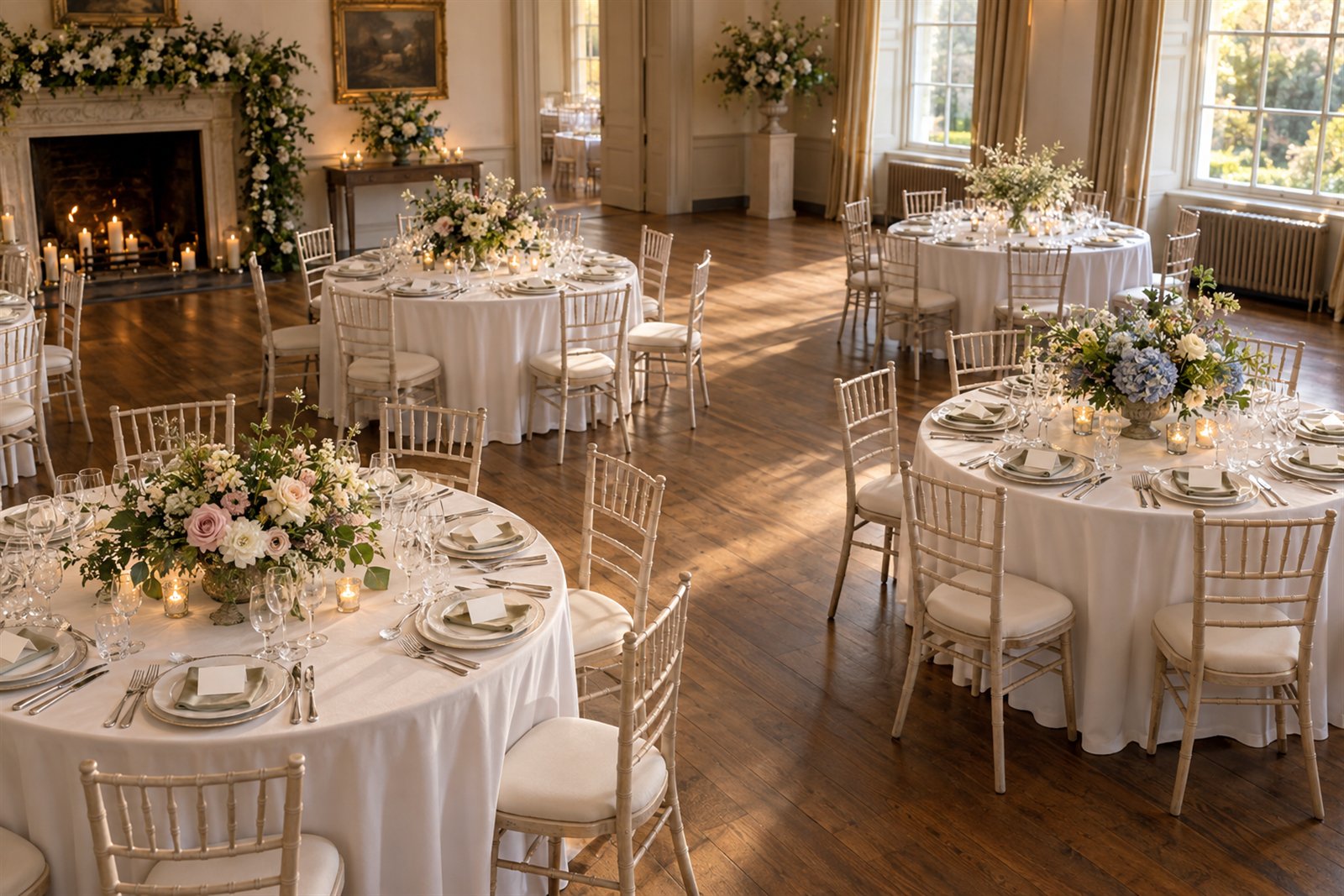
Agree who provides tables, linen, crockery, cutlery, glassware, serving equipment and waste removal. Gaps between venue and caterer responsibilities are where surprise costs appear.
Understand the menu and portion plan
Ask what is seasonal, what can be adapted and how canapés, courses, evening food and children’s meals are portioned. Clarify whether staff or other suppliers need separate meals and when they will be served.
Where possible, taste something close to the menu and service you are considering. Write down any changes you agree afterwards; a friendly conversation is easy to remember differently months later.
Examine the dietary process
Ask how allergies, intolerances, religious requirements and chosen diets are collected, communicated and managed in preparation and service. Caterers should be honest about cross-contamination controls and what they can safely provide.
Don't translate or diagnose a guest’s requirement yourself. Pass information accurately through the caterer’s preferred process and let guests speak directly with them when necessary.
Build service into the timeline
Check when guests must be seated, expected course durations, speech placement, clearing and room turnaround. A large gap introduced without catering agreement can affect food quality and staffing.
Ask who leads communication on the day and how delays are handled. The coordinator, venue and caterer should share the same milestones.
Know the staffing and bar boundary
Find out which staff and hours are included, who manages them and when overtime starts. If another business runs the bar, agree who provides water, toast drinks and table wine, collects glasses and holds the relevant licence.
Check staff welfare, breaks and safe departure for late finishes. Professional service depends on realistic labour, not invisible unpaid hours.
Check numbers and changes
Ask for deposit, payment schedule, minimum charge, final guest deadline and how increases or reductions are priced. Clarify cancellation, postponement and menu substitution terms.
Keep a single confirmed meal list and protect health information. Last-minute changes should go through the named contact, not several members of the wedding party.
Compare full costs and values
Include tax, travel, hire, staffing, tastings, cake cutting, corkage-related work, clearing and waste. A proposal should show enough detail to compare service, not just price per head.
Choose a caterer whose process makes sense for your venue and guests. Beautiful food matters, but safe service at the right time is what turns it into a comfortable meal.
Keep planning
Keep planning
Related knowledge.
Wedding Drinks Calculator
Open resource →Food & DrinkHow to Plan Alcohol-Free Wedding Drinks Guests Will Actually Enjoy
Give alcohol-free drinks the same thought as the rest of your bar. Guests should be able to order something appealing without explaining why they want it.
Read article →Food & DrinkWedding Cake Alternatives: Desserts That Suit Your Day
You can skip a tiered cake and still give everyone a lovely dessert. Decide when guests will eat it, how much is edible and who will serve it.
Read article →Food & DrinkEvening Wedding Food: What to Serve and How Much to Plan
Plan your evening food for the people who will actually be there and the meal they have already eaten. You do not need to order another full dinner for everyone.
Read article →